



Why It Matters:
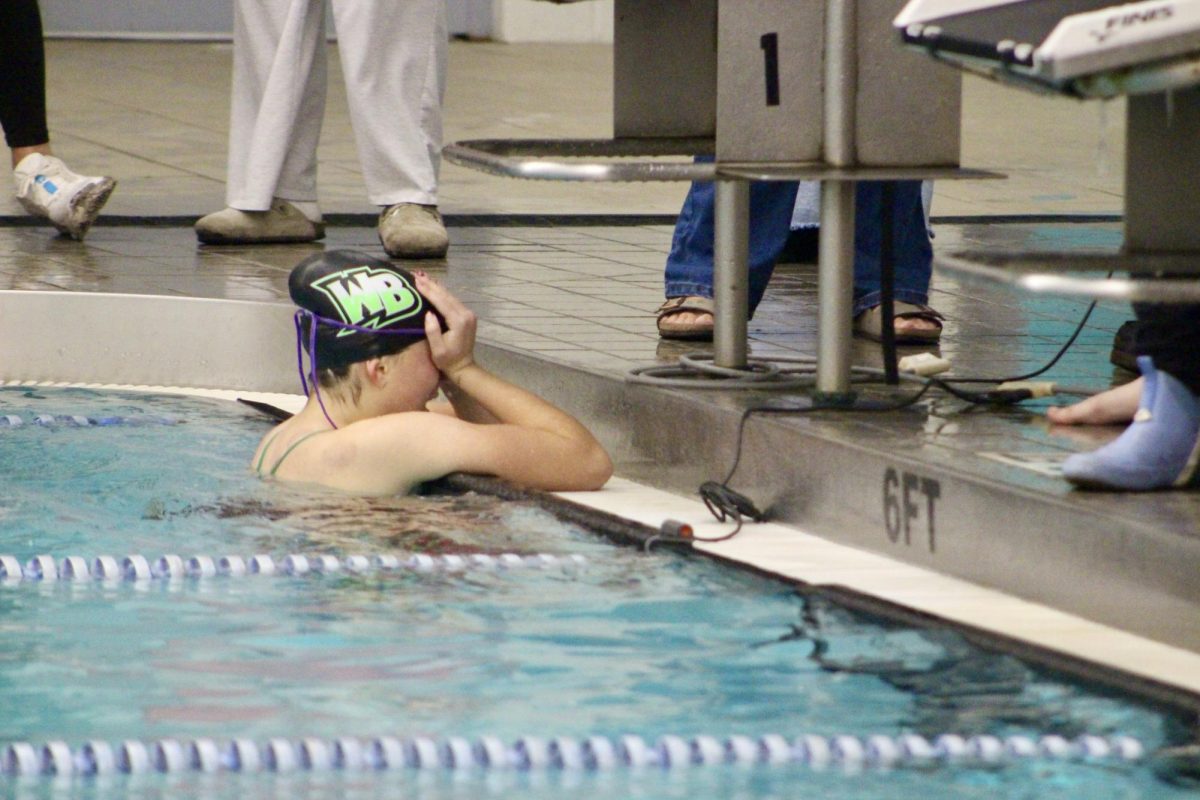
Sports like swimming and wrestling require athletes to compete in minimal and tight-fitting uniforms, which put their bodies on display in ways many other sports don’t. For some athletes, this can fuel confidence. For others, it can become a psychological barrier no less than a physical challenge. This topic is often overlooked in high school sports.
The Big Picture:
Both sports require intense physical conditioning, but they also place athletes under a unique spotlight. This could either sharpen physical confidence or trigger self-consciousness, insecurity, comparison, and performance anxiety. Younger teens often spend more time worrying and focusing on their flaws and appearance. This has been increasing visibly surrounding youth sports, and athletes believe their experiences are often neglected.
- Matches and meets require athletes to wear a revealing uniform in front of a crowd.
- Training culture is often centered around weight, speed, and muscle tone.
- Athletes may compare themselves to teammates, opponents, or “ideal” bodies that are promoted by coaches and media.
- Some wrestlers feel pushed to cut weight; swimmers may feel judged on leanness or muscle tone. These pressures can escalate into disordered eating or unhealthy training habits.
The Overlooked Side:
While it’s important to communicate about the issues these sports can provoke, it’s also important not to let the positive benefits go overlooked.
- Tight or minimal clothing can highlight physical progress. For some athletes, this can encourage them to continue working hard to keep their physical fitness.
- When success depends on technique, conditioning, and strategy, athletes often develop a healthier relationship with their bodies. They value what it can do rather than how it looks.
- Locker rooms and competitions often expose athletes to a wide range of body types. Over time, this can reduce shame and increase confidence/comfort.
What Athletes Say:
Many athletes feel self-conscious about their bodies during meets and matches. With everyone surrounding you, including yourself, wearing a bathing suit or a singlet, you are in a state of constant awareness of your own body and others.
- Wrestlers feel high pressure trying to fit into a specific weight class, causing them to cut even if they’re just one pound over.
- Swimmers are often expected to look very lean.
- Many swimmers say that just standing on the pool deck can feel intimidating, even when no one is openly judging.
What Helps:
As a student athlete, it’s tough to recognize that what you’re doing is impressive no matter how your body looks or how much you weigh, it’s hard to focus on function over aesthetics. Although schools have more recently been focusing on mental health when it comes to their student-athletes, the topic of body dysmorphia still seems overlooked.
- It’s important to reach out to someone trusted, whether that be a coach, teammate, or a parent if you are struggling.
- Remember you are not alone.
The Bottom Line: Confidence in body-revealing sports is a skill, not a personality trait. With the right environment and mindset, these sports should teach athletes self-acceptance and pride in what their bodies can achieve – not just how they look.