


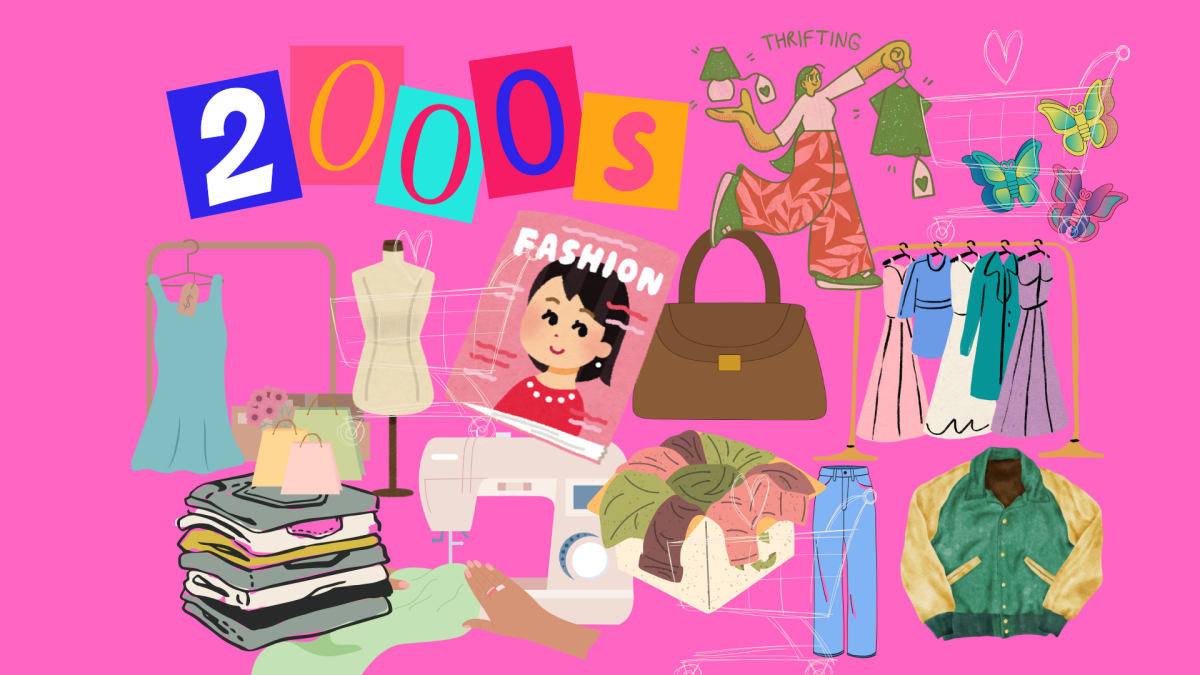
Whether it’s cheaper, better quality, or more unique; thrifting comes with many benefits and recently it’s been a popular running trend for teenagers. If you have ever been to the thrift, you know it’s either a hit or a miss. Sometimes you’ll spend hours just finding one shirt and others you’ll hit the jackpot. But is there a strategy to it? Are there certain ways to thrift? Want to know how to find your favorite brands, want to know how to save money? This guide is for you.
Why it matters: Thrifting has been around for generations and has helped many homes supply their families with their daily necessities like kitchen supplies, clothes, books, toys, and more. Buying secondhand may be the only option for many families.
- You can help better the environment; the less you buy from huge corporations, the less waste our environment has to hold.
- You can find better, more authentic clothing: most vintage clothing has better materials used as opposed to the synthetic fabrics of today.
- You are saving so much money when you’re not spending sixty dollars on one shirt.
Look through the eyes of your peers:
- “My favorite things to find while thrifting are clothes and accessories that aren’t made anymore, ” said senior Addie Skumanick. “I hate spending a lot of money on clothes. I can’t justify spending $80 on jeans.
- “Honestly I do prefer thrifting because of the prices, but I definitely do like to get new things, especially shoes,” said senior Elijah Nalley. “Thrifting with my friends is probably the best time when we find funny graphics or funny shoes.
What TO DO in the thrift: For some people, walking into Goodwill or a smaller thrift is daunting, overwhelming, and overstimulating. Having a plan and a mental “checklist” can make for a more successful trip. This list includes practices that most people say are important when it comes to finding what you’re looking for.
- If it speaks to you, always grab it: you will regret not getting it later.
- Don’t pass up the accessories!
- Check all sections: you never know what’s hiding or what is out of place.
- Be ready to hunt. Having patience is key, so stay for a while.
- Hangers do not do clothes justice: don’t trust the hanger and try it on.
- Frequent some of the same stores multiple times a month to check new racks and score great finds.
What NOT to do: There may be no single correct way to thrift, but there are a few thrifting practices and faux pas to stay away from:.
- Stay away from polyester clothing.
- Leave the shirts that already have peeling on the rack.
- Look out for loose threads; it will most likely unravel more and more.
- Avoid buying anything with stains if you’re unsure if it will come out or don’t have any intention in dyeing or re purposing the piece.
- If you buy shoes or bags, make sure to check for dry rotting, it spreads!
Reselling Trend: Prices are sky rocketing in the thrift as it becomes a more and more popular fashion statement. While it’s great that more clothing is finding a second life instead of going to waste, the pressure on the supply and the rising prices are bad because the people who depend on thrifting to provide for their families are having to cut back on what used to be much more in reach. Additionally, many resellers buy items at a low price and sell them for much higher prices. Stores are realizing this and upping their prices. A lot of people who thrift do it because they enjoy the low prices, but things are changing as the affordability crisis continues to climb.
Conclusion: Whether you have thrifted before or not, this guide will help you know the basics going into the thrift. Be open minded; don’t judge based on the cover; keep doing what you love. If you’re ever in the thrift and feel unsure what to do next, pull up this guide and check your boxes. Understand there is no “right” way to it, but there is a way to try to get your money’s worth and have a better experience.